For us, preserving traditions means introducing people to one another through tangible work: an educational centre, exhibition, book, film or library meeting. Heritage becomes part of today’s conversation when new generations engage with it.
Humanistic heritage and Great Teachers of BRICS
Our projects explore the moral legacy of Leo Tolstoy, Mahatma Gandhi, Confucius, Nelson Mandela and other outstanding thinkers. In 2016–2019, the Great Teachers of BRICS relay visited the original five member countries; this work continued within BRICS Peoples Choose Life.
Projects, meetings and cultural routes
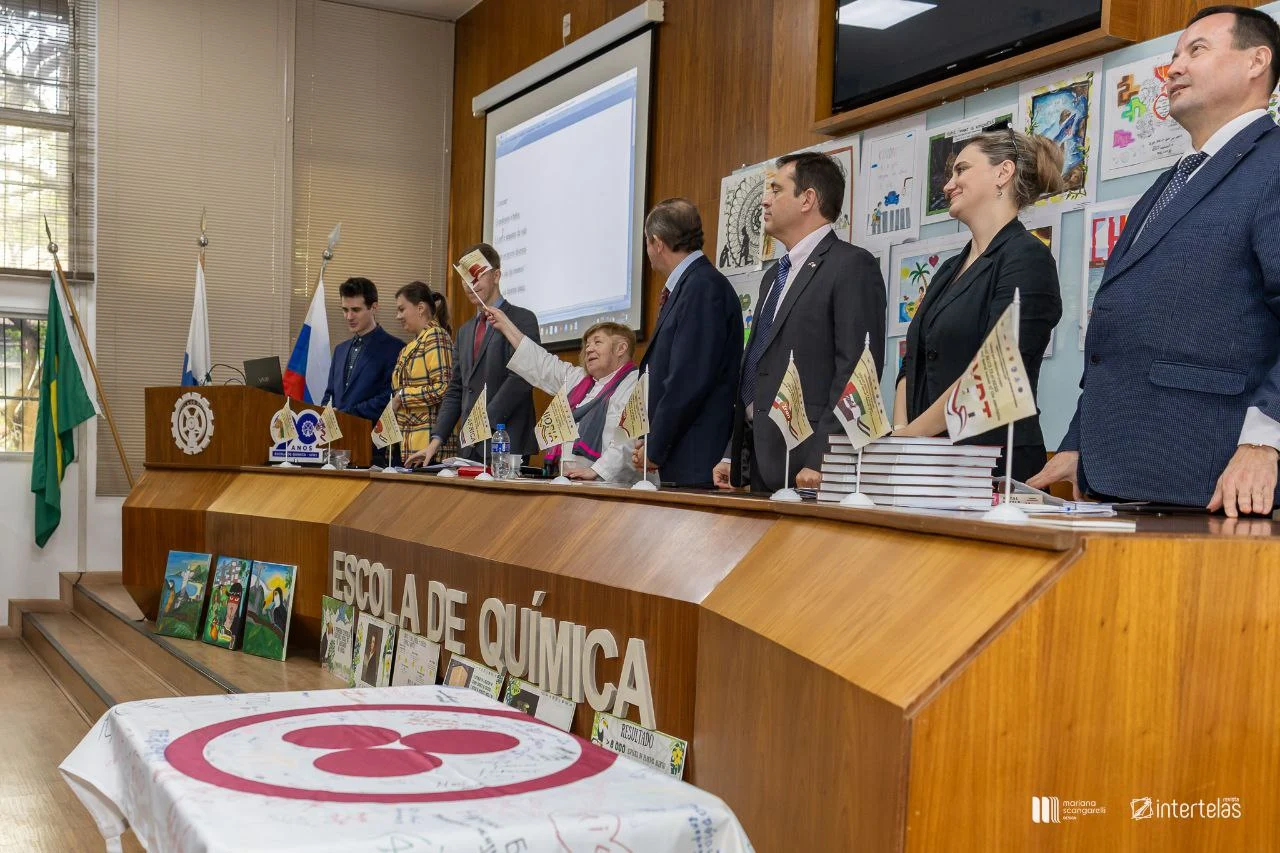
Great Teachers of BRICS: the Brazilian stage
Brazil · Rio de Janeiro and São Paulo · 13–17 October 2025
Exhibitions, educational meetings and joint initiatives introduced participants to the humanistic heritage of BRICS peoples. A detailed report preserves the results.
Leo Tolstoy and Mahatma Gandhi centres
India and Russia · Since 2022
The project began at Delhi Public School, Dwarka, and Moscow School No. 1409, then continued through Russian and Indian educational institutions.
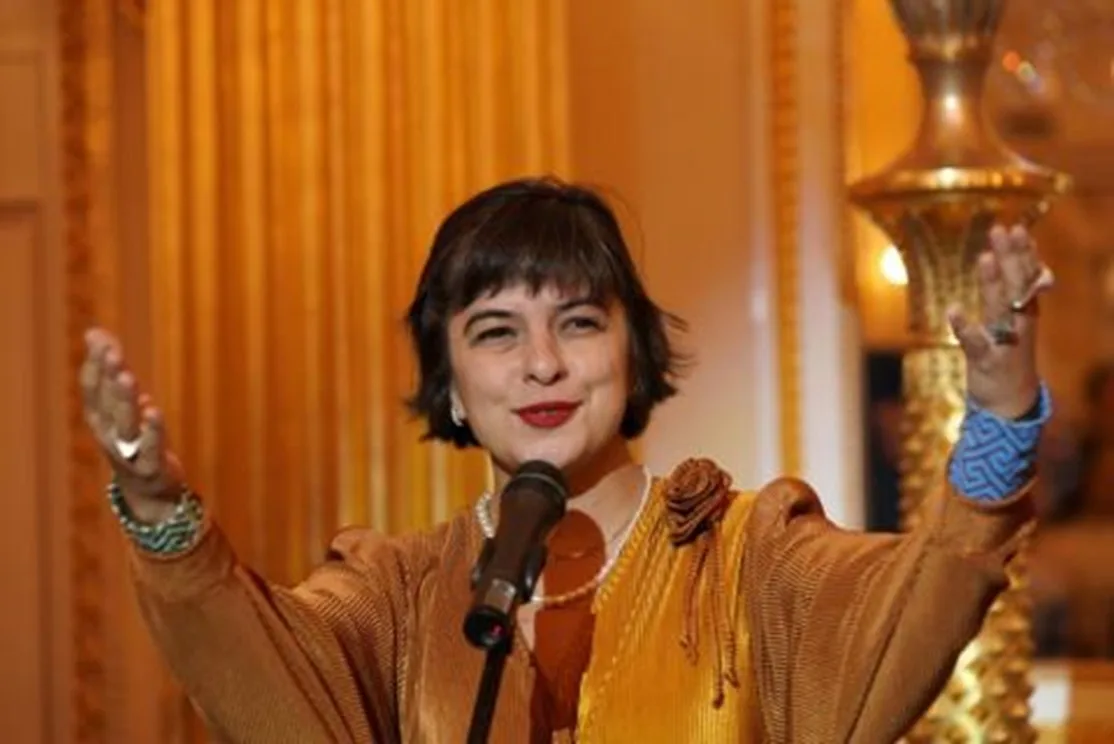
The legacy of the Langsdorff expedition
Russia and Brazil · Marking 200 years since the 1822–1829 expedition
A historical and scientific initiative and exhibition materials revisit the first Russian research expedition to Brazil and its scientific and artistic legacy.
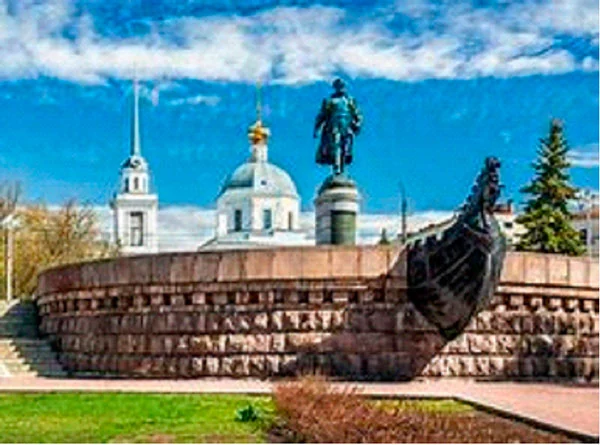
Days of India in Tver: remembering Afanasy Nikitin
Russia · Tver Region · 2024
Meetings during the Russian stage connected Russia and India through the memory of Afanasy Nikitin, creative heritage and direct exchange.
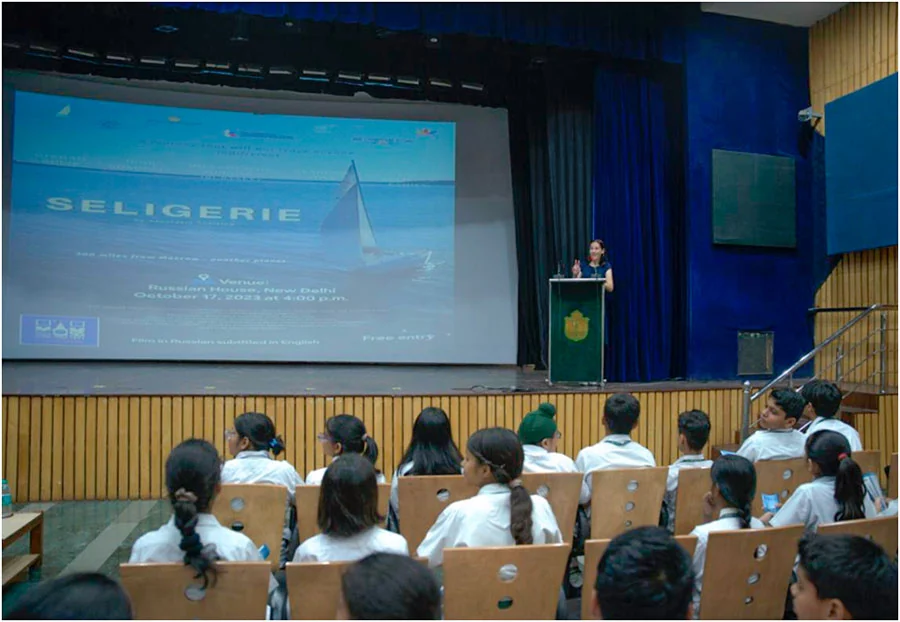
“Seligerye”: Russian cinema in India
Russia and India · 2023
A documentary screening introduced Indian audiences to a Russian cultural landscape and continued the conversation through cinema.
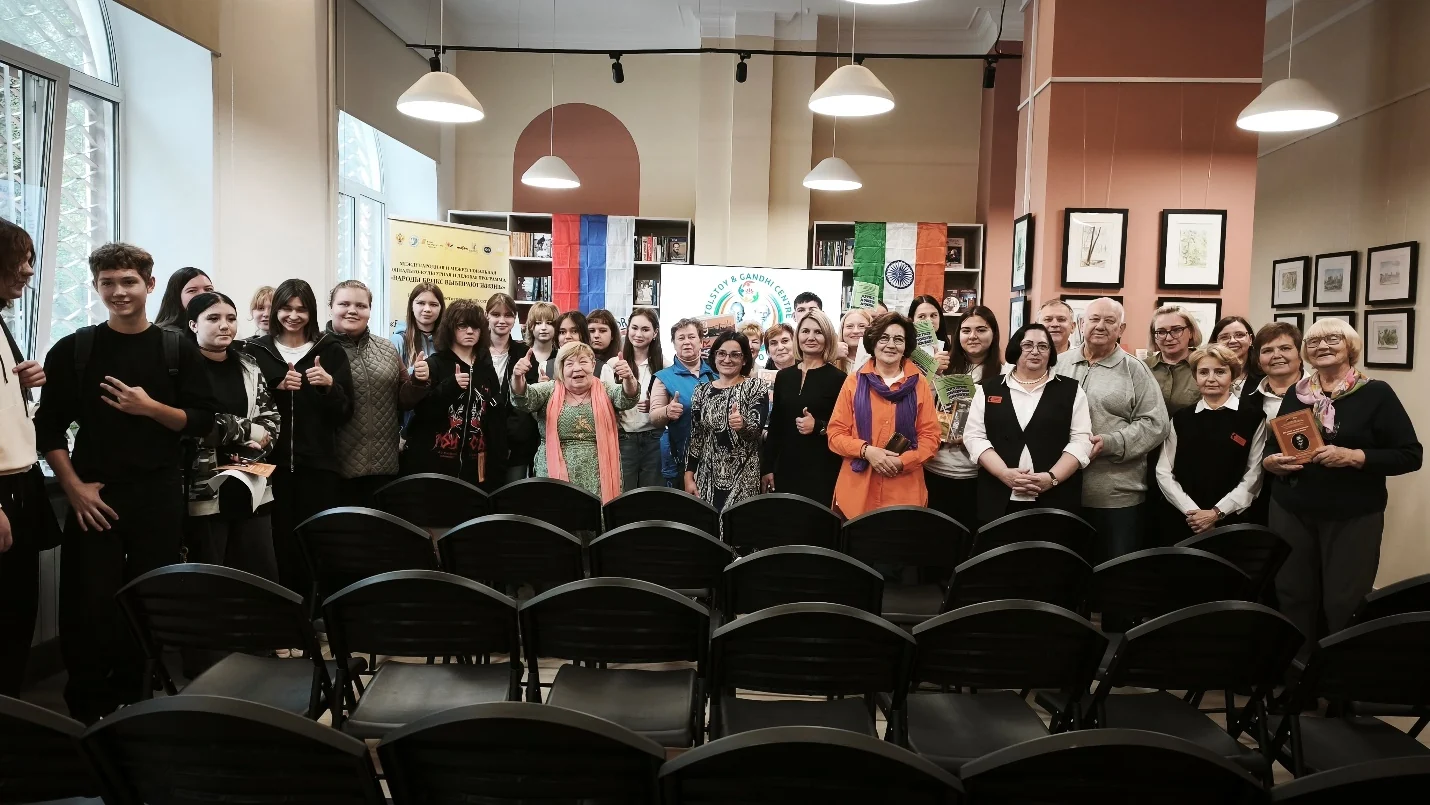
Tolstoy and Gandhi: a great moral path
Russia · Voskresensk · 18 September 2026
The Inna Goff Central Library hosted a discussion with an exhibition, the Tolstoy–Gandhi correspondence and readers from different generations.
What remains after an event
We want meetings to continue through educational centres, library collections, exhibitions, translations and the shared work of schoolchildren and students. Each direction therefore links to a publication with photographs and results.